
It is crucial for the properties located away from municipal sewage lines to manage wastewater for environmental and hygiene safety. In this case, the most reliable solution is a combination of septic tanks and soakaway systems.
Understanding how these two components work together helps you maintain your system, ensuring it lasts for decades.
Interested in knowing more? This blog will explain the process.
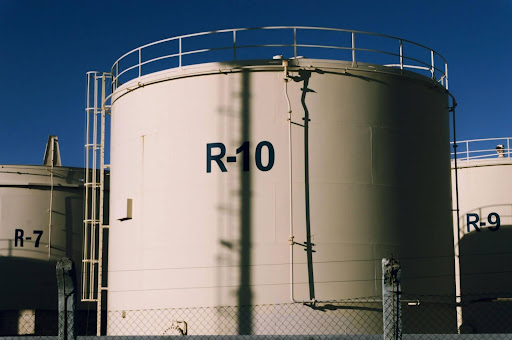
Primary Treatment in the Septic Tank
As soon as the wastewater leaves your home from toilets, showers, and sinks, the process starts. It enters the septic tank, a watertight underground container designed to slow down the flow of the water.
Separation
Once the wastewater is inside, it undergoes a natural separation process. Heavy solids sink into the bottom, forming a “sludge.”
Scum Formation
Oils, grease, and fats float to the surface, creating a scum layer.
The Biological Breakdown
Natural anaerobic bacteria live inside the tank. These work to decompose the organic solids in the sludge, decreasing the volume of waste.
Leaves The Tank
The effluent, the middle layer of relatively clear liquid, leaves the tank.
Move Into the Soakaway
The septic tank’s primary job is to hold back solids to prevent clogging the system. Only the liquid effluent is allowed to leave the tank. It does through an outlet pipe, leading to the soakway.
Distributes: The effluent further flows into a network of perforated pipes. These are buried in trenches filled with gravel or crushed stone.
Seeps Slowly: The pipes allow the liquid to seep slowly into the surrounding soil. It doesn’t flood one specific area.
Final Soil Treatment
People assume that the septic tank cleans the water completely. But the actual purification happens in the soil only.
- Filtrates: As the effluent goes through the soil and the gravel, the remaining fine organic matter is naturally filtered out.
- Aerobic Digestion: The soil contains oxygen, allowing aerobic bacteria to finish breaking down any remaining toxins.
- Recharges Groundwater: When the water reaches the water table, the earth has already purified it, safely returning to the environment.
Maintain Your System
Consider regular desludging for your septic tanks and soakways to keep them functioning correctly.
Avoid doing it yourself; use a professional pump to remove the collected sludge. Do this every two to five years to stop it from entering and clogging the soakaway.
If you want septic tanks, feel free to contact Calcamite. Their teams will guide you ahead.
Frequently Asked Questions
How do I know if my septic tank or soakaway is failing?
Common red flags include slow-draining toilets, gurgling sounds in your pipes, or unpleasant odors lingering around your yard.
Why can’t I just use a septic tank without a soakaway?
A septic tank is only a primary treatment vessel; it does not fully purify the water.